


London Design Week ’26



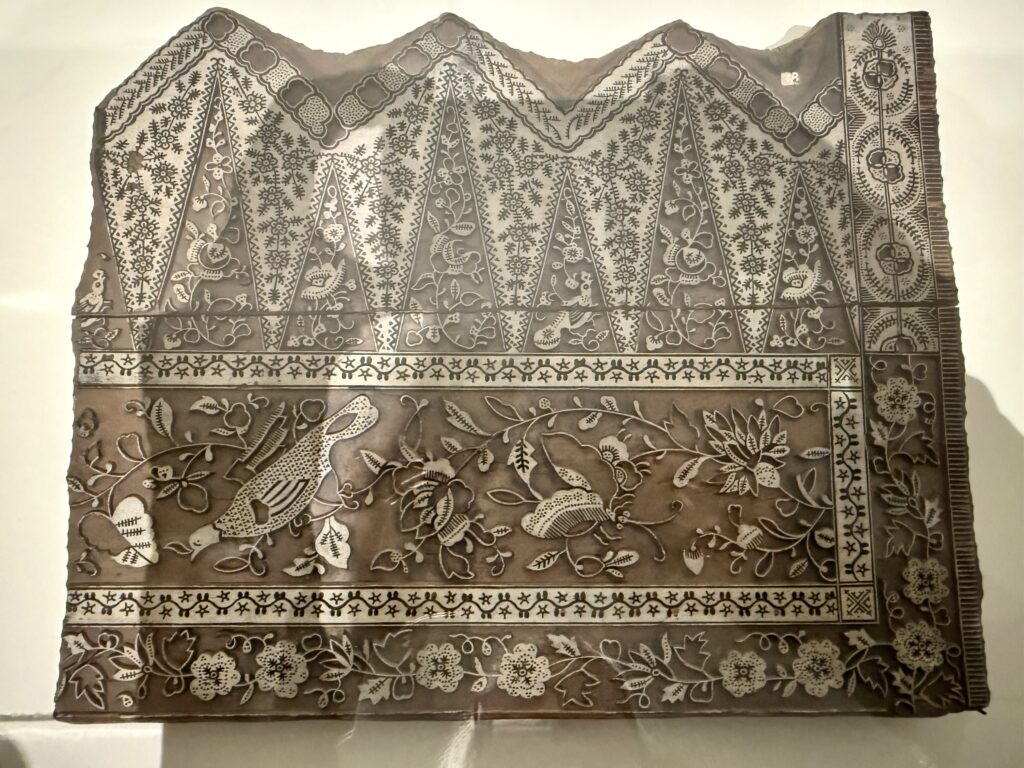
Arriving in LA for a short business trip I was twiddling my thumbs as to how to spend my Sunday when I realised that LACMA had put on the most incredible exhibition, just for me it seemed ! ‘Deep Cuts’ an exploration of pattern and the art of block printing.
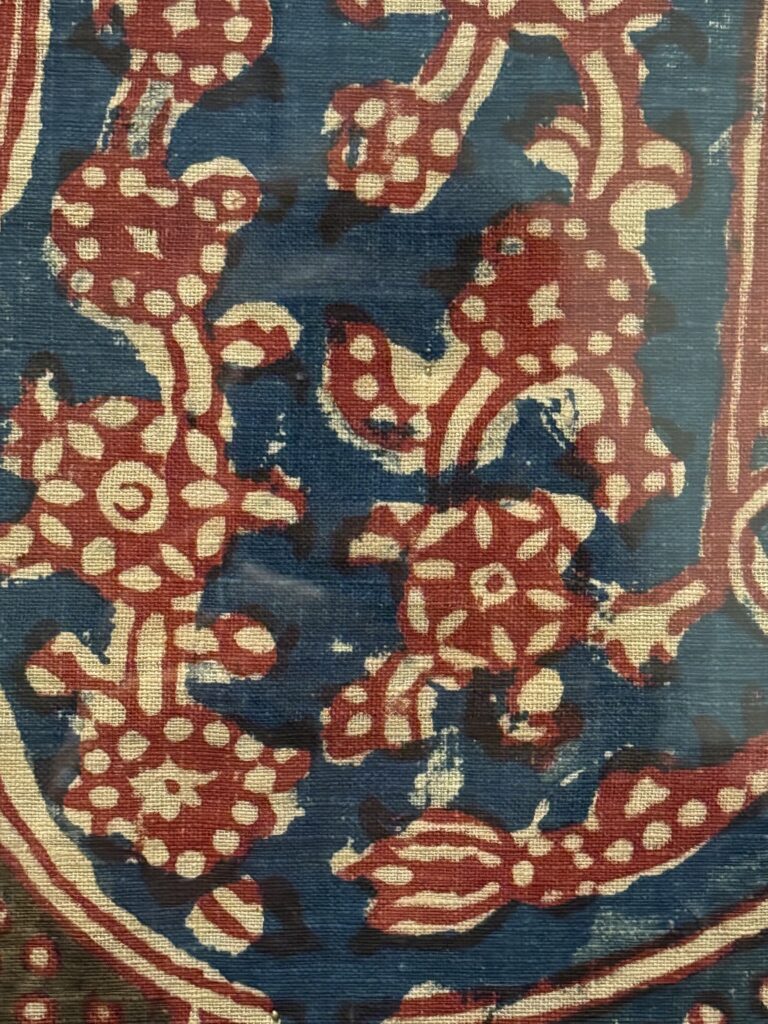
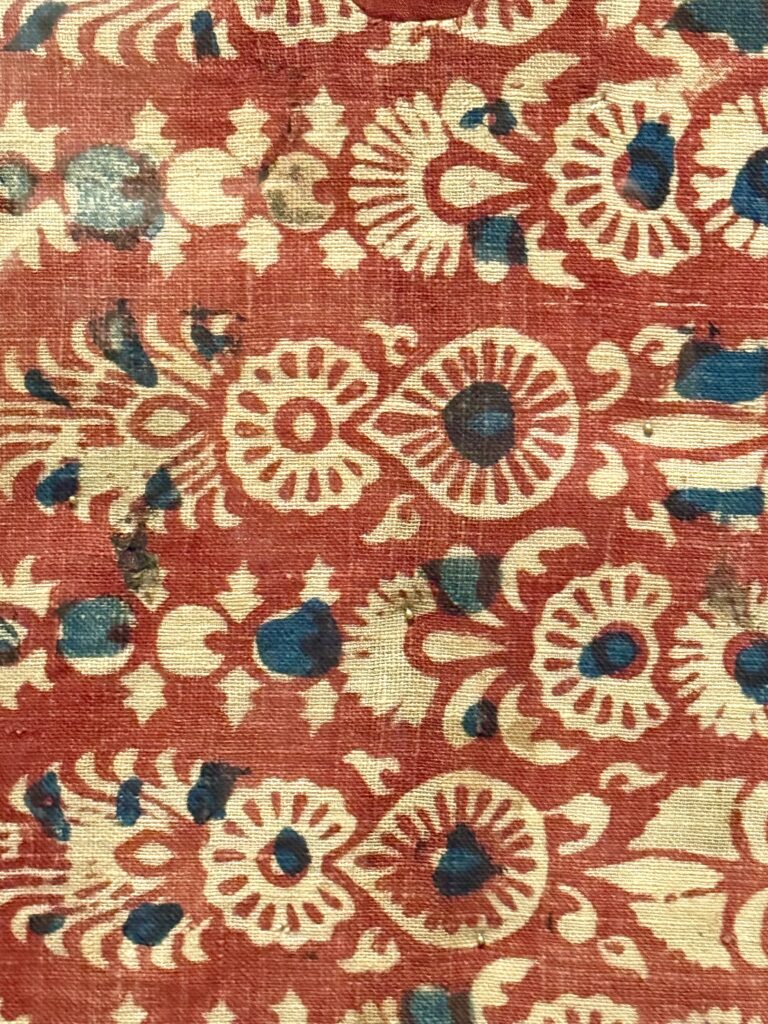
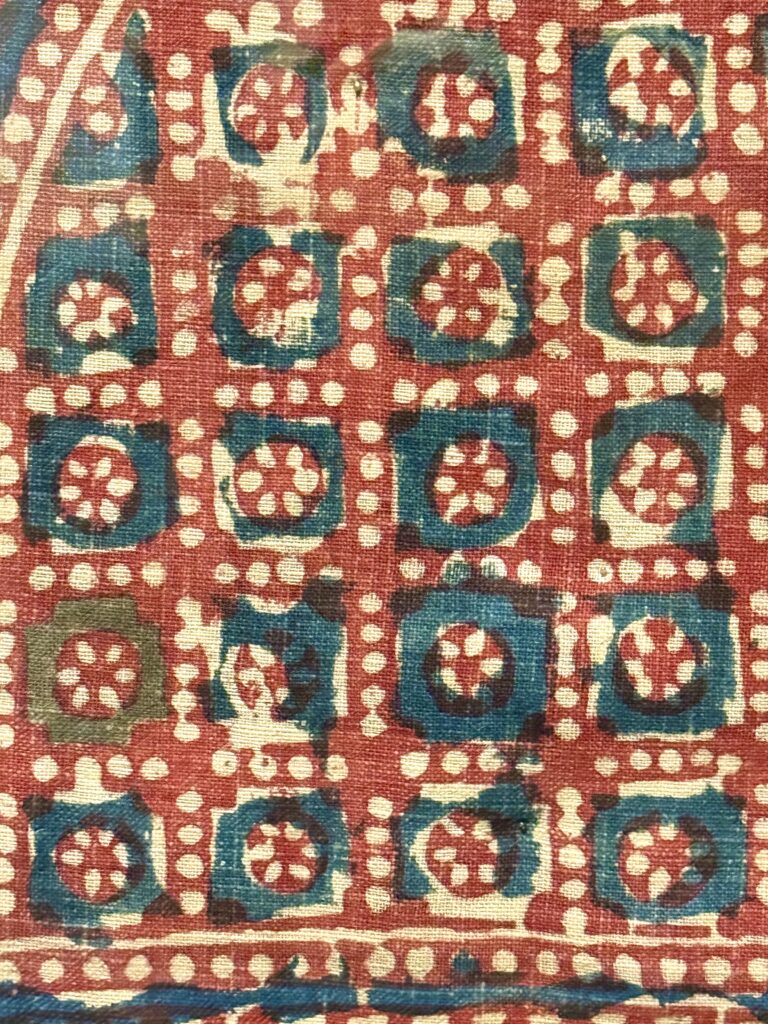
The show is a love letter to the physicality of printmaking, something that people outside our inky little world rarely understand. The moment I stepped inside, I felt a mix of reverence and adrenaline for a design practice that speaks my language, that comes from being surrounded by work that’s been carved, carefully and meticulously out of wood. Nothing digital, nothing sterile, just gouges, blocks, and the creative tension between artist and wood or lino.
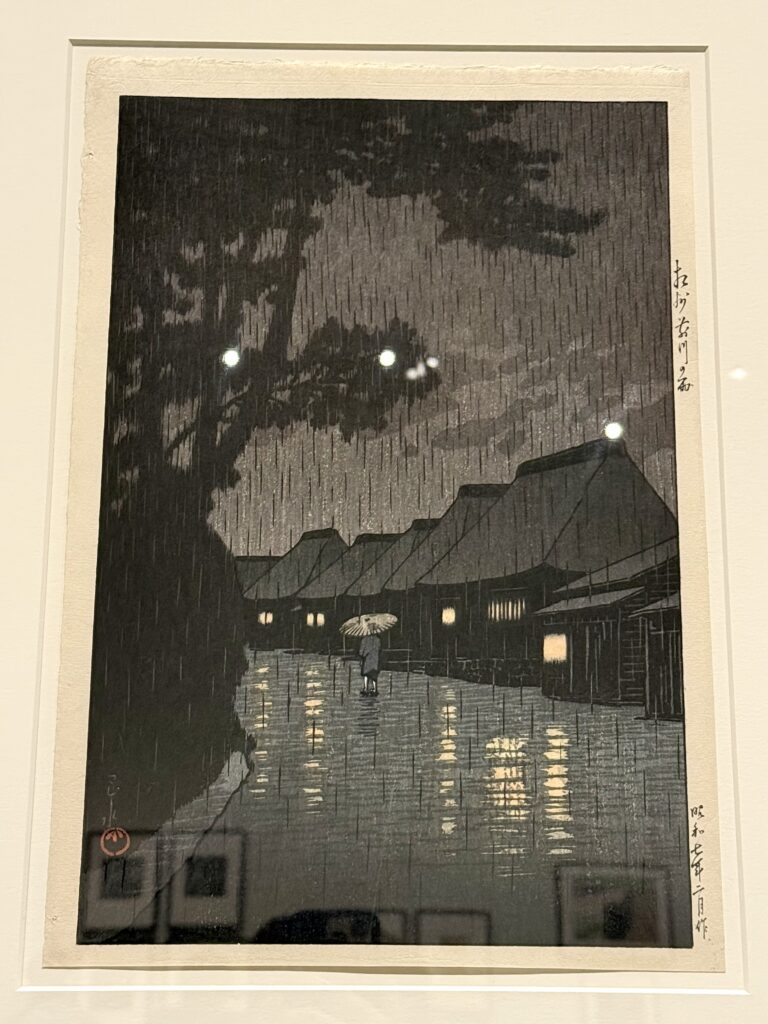
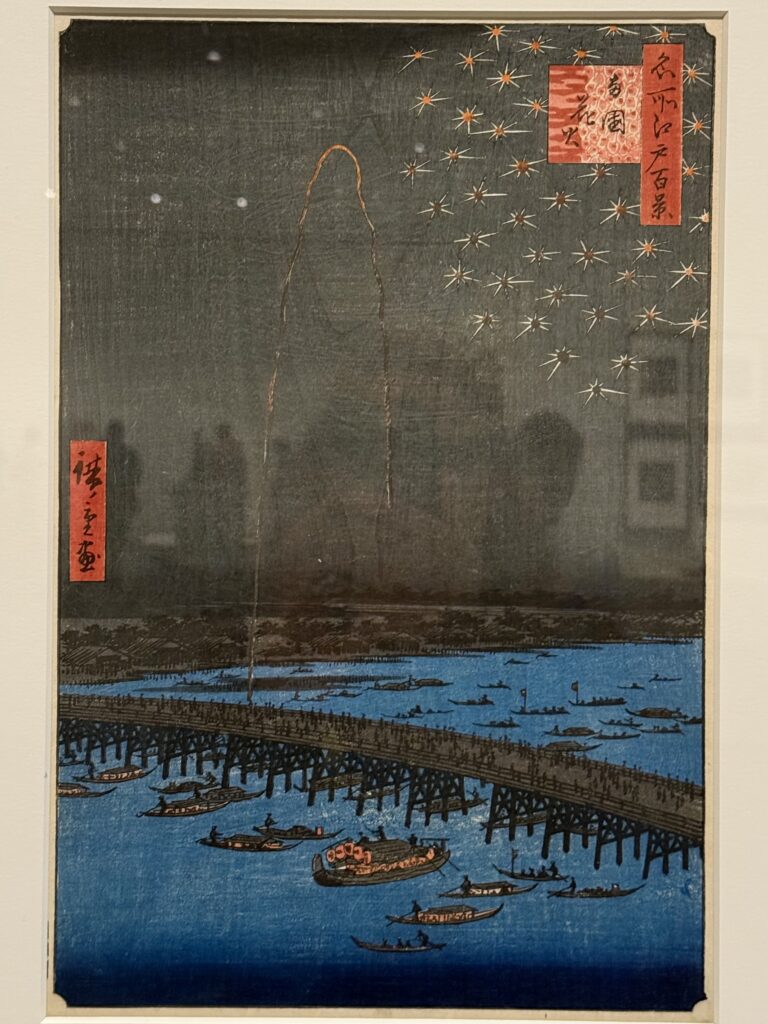
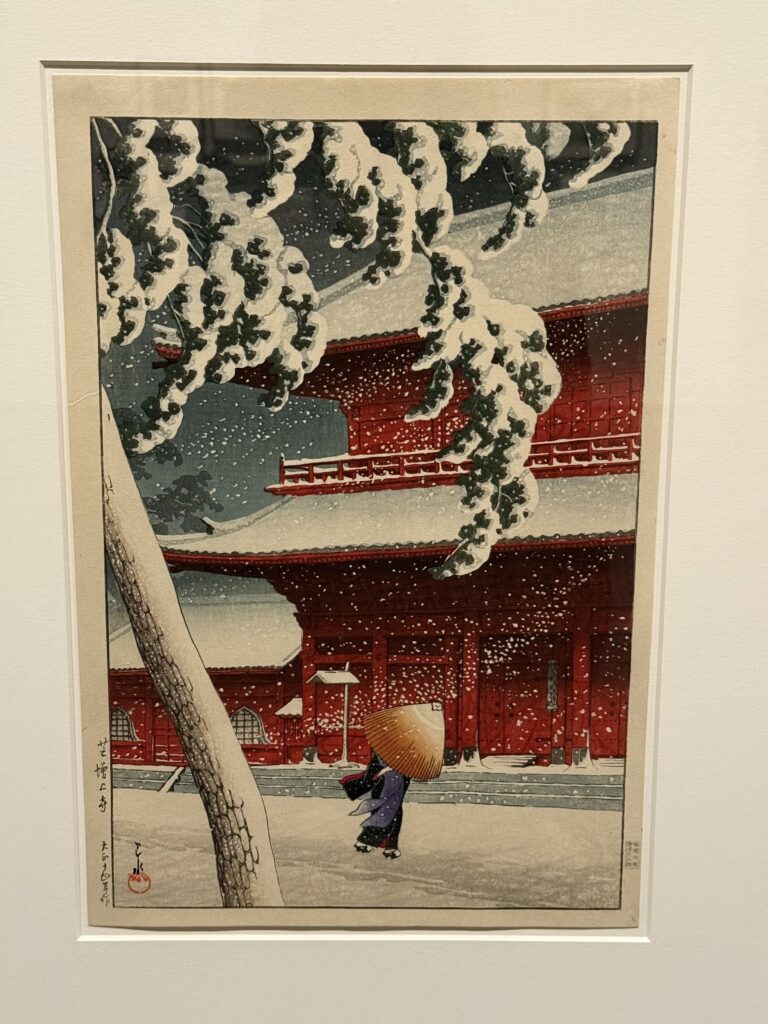
From the repeating, patterned, block-printed textiles of Jaipur to the exquisitely, complex wood block illustrations of Japan, and Hiroshige, almost impossibly beautiful in their delicate depictions of everyday life, transforming flat planes into expressive surfaces of rain, fireworks or snow.
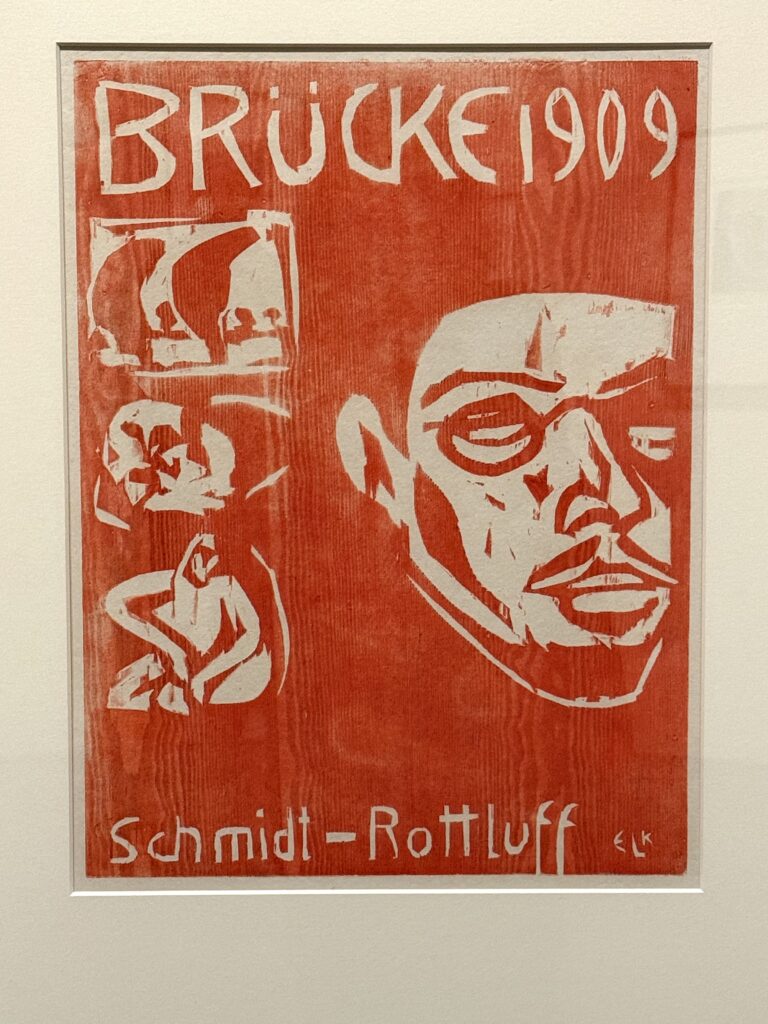
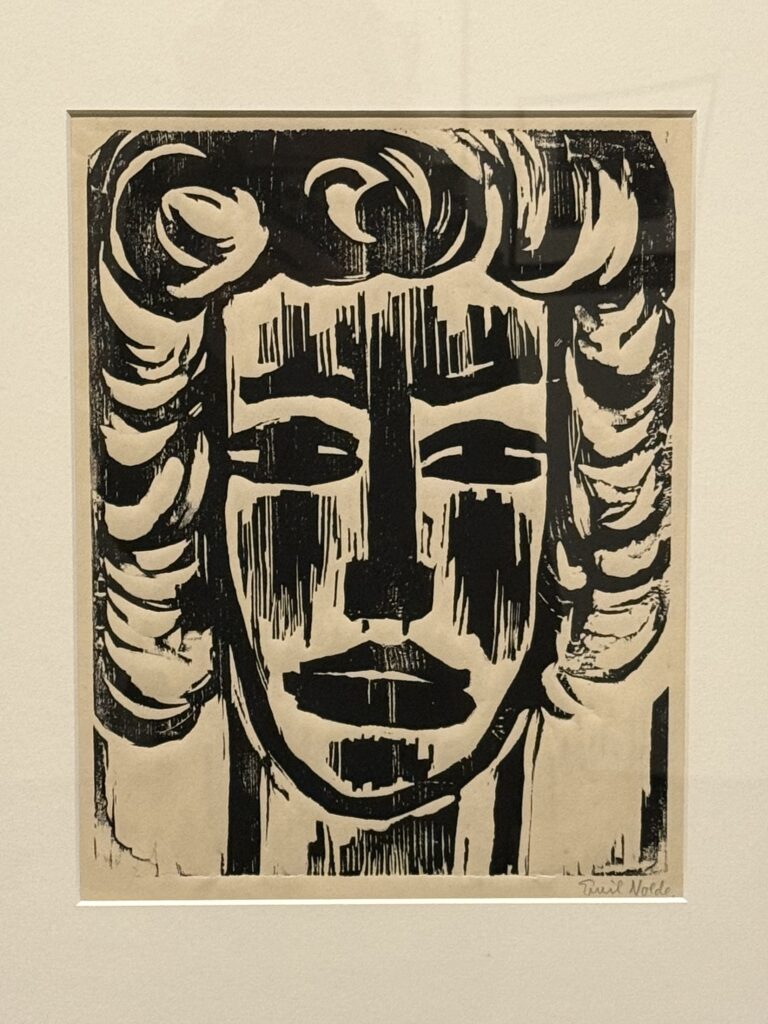
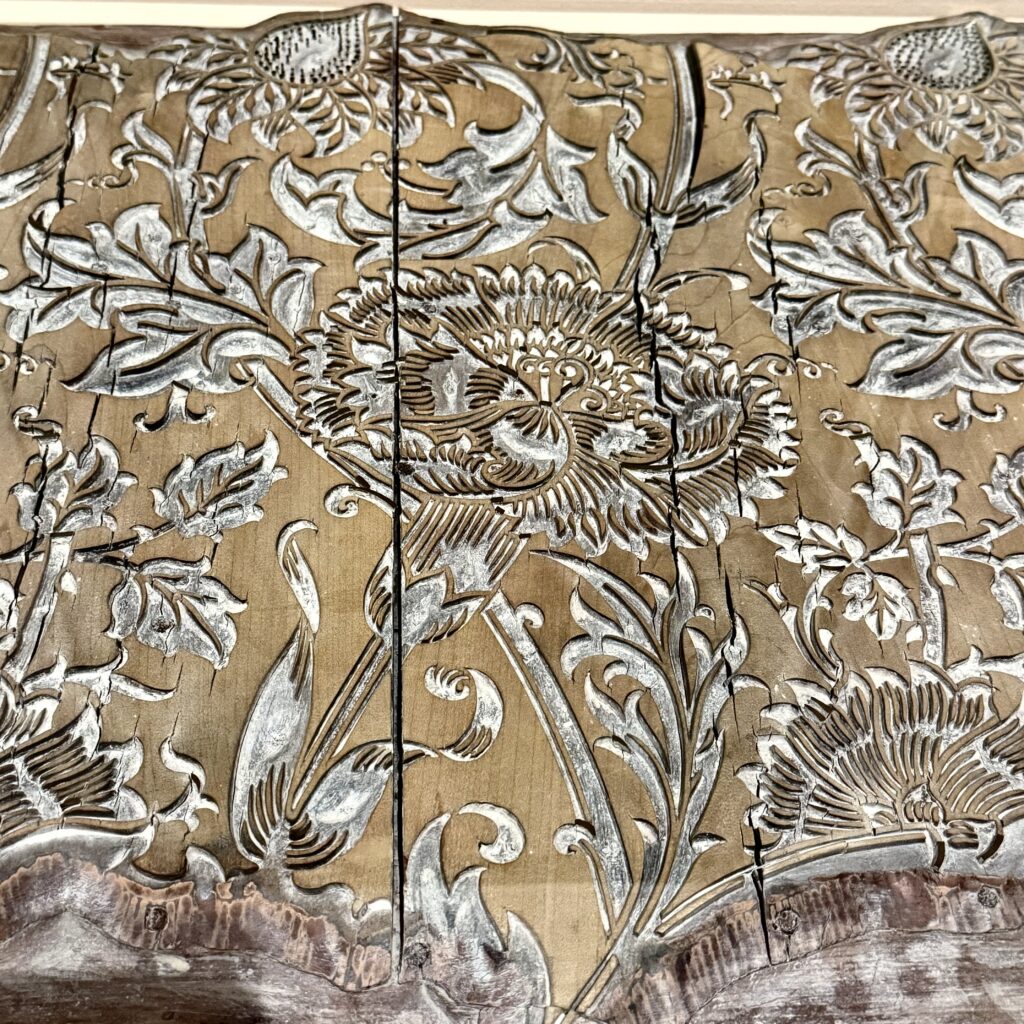
From the bold and unapologetically weighty and rough-cut wood block prints of the early 1900’s in Germany, to the deftly cut wood blocks of William Morris and the Arts and Crafts movement which was happening at around the same time in the UK.
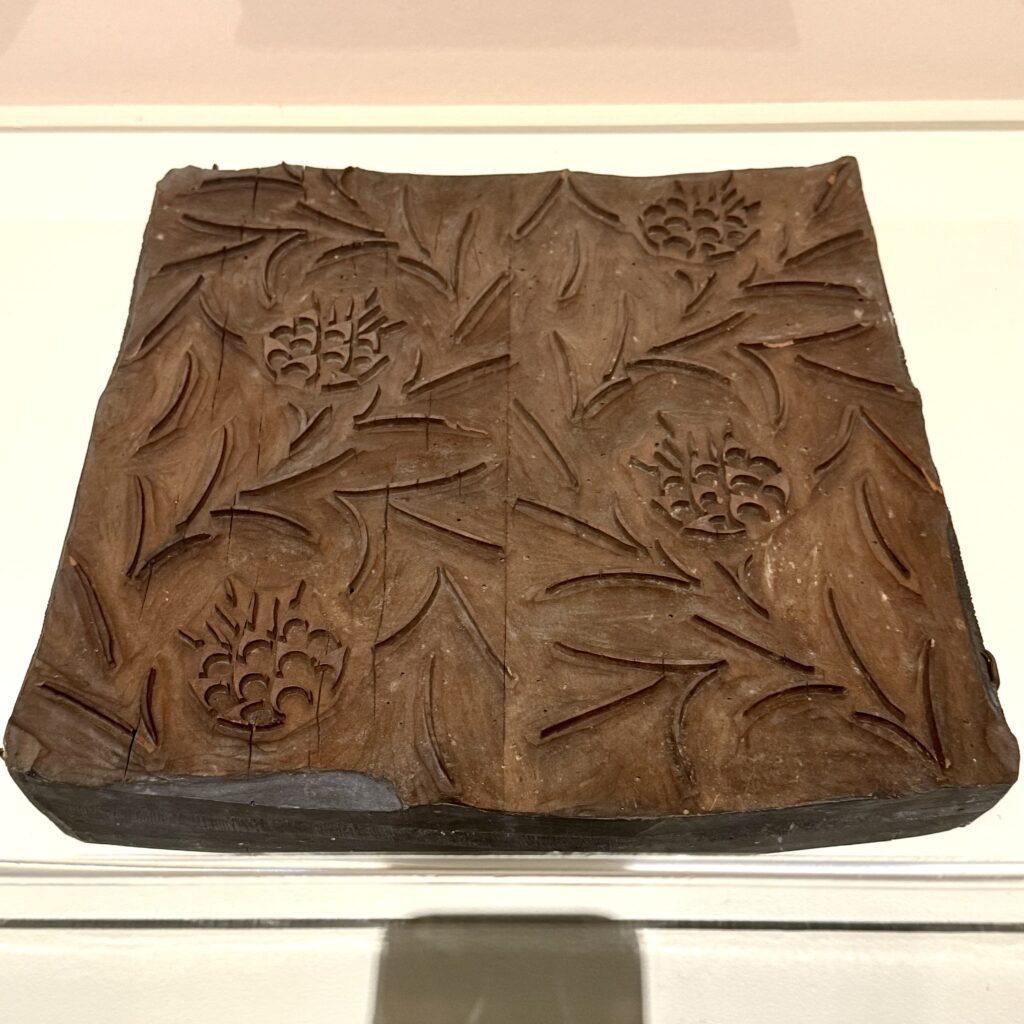
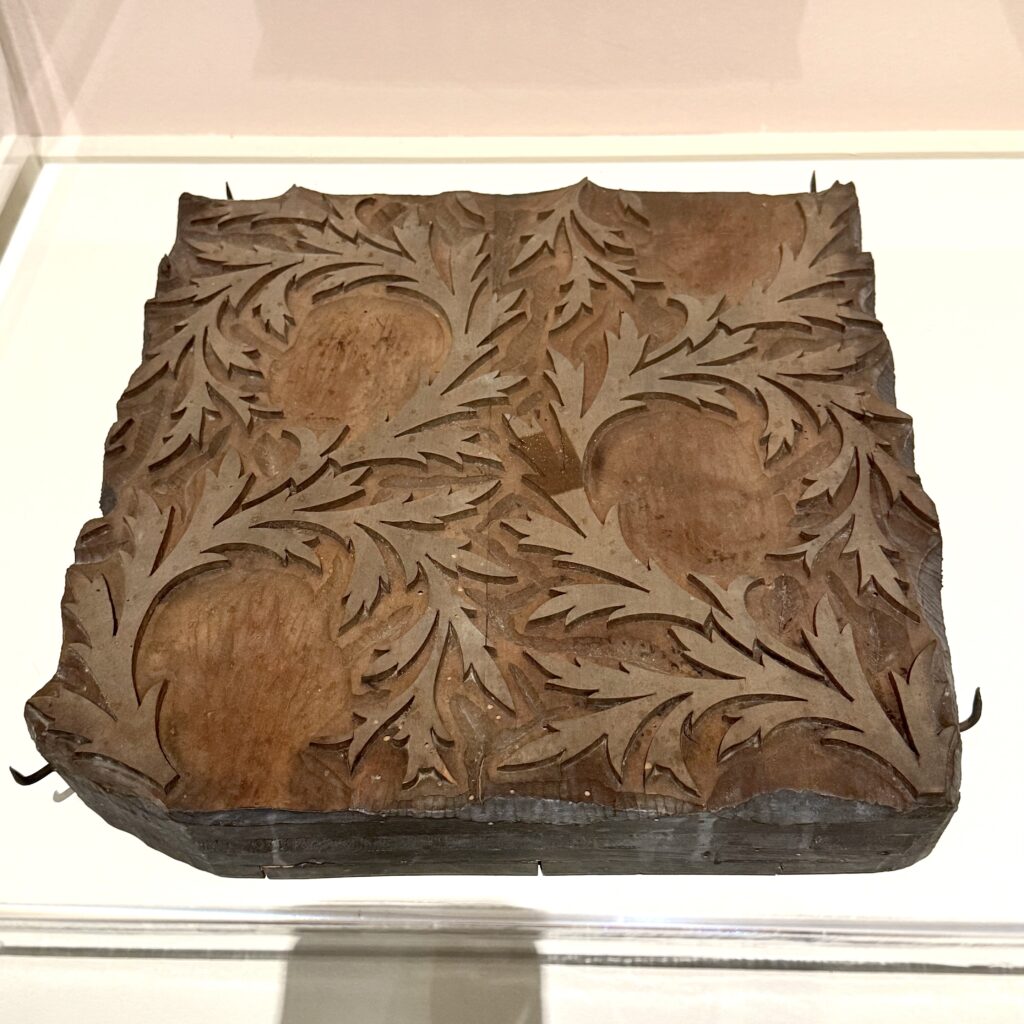
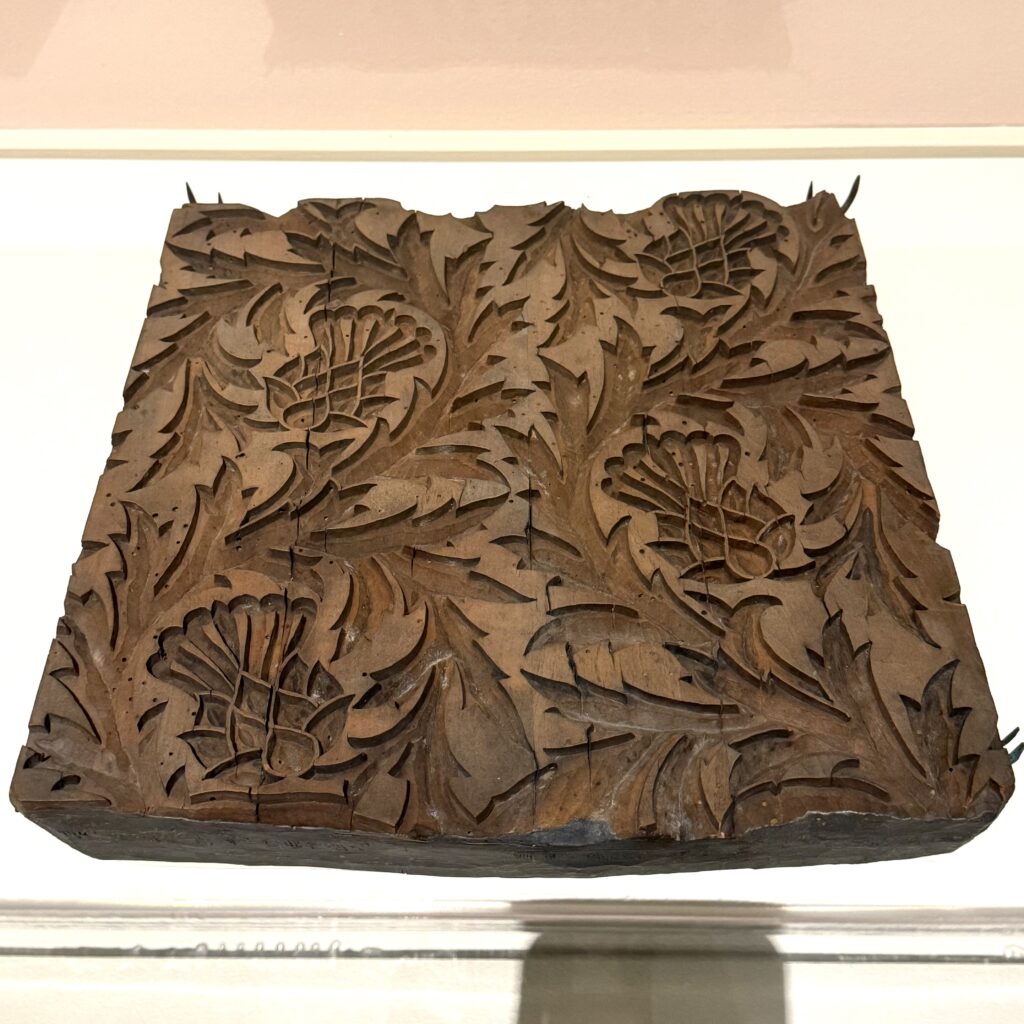
Above shows 3 of William Morris’s wood blocks for a single design. These would each have been used to print a different layer of colour, which in turn would build up the design on the fabric. Sometimes there would have been 15 or more colours in a design, new colours could also be created by overprinting, say a yellow over a blue to create a green, without needing to cut a new block.
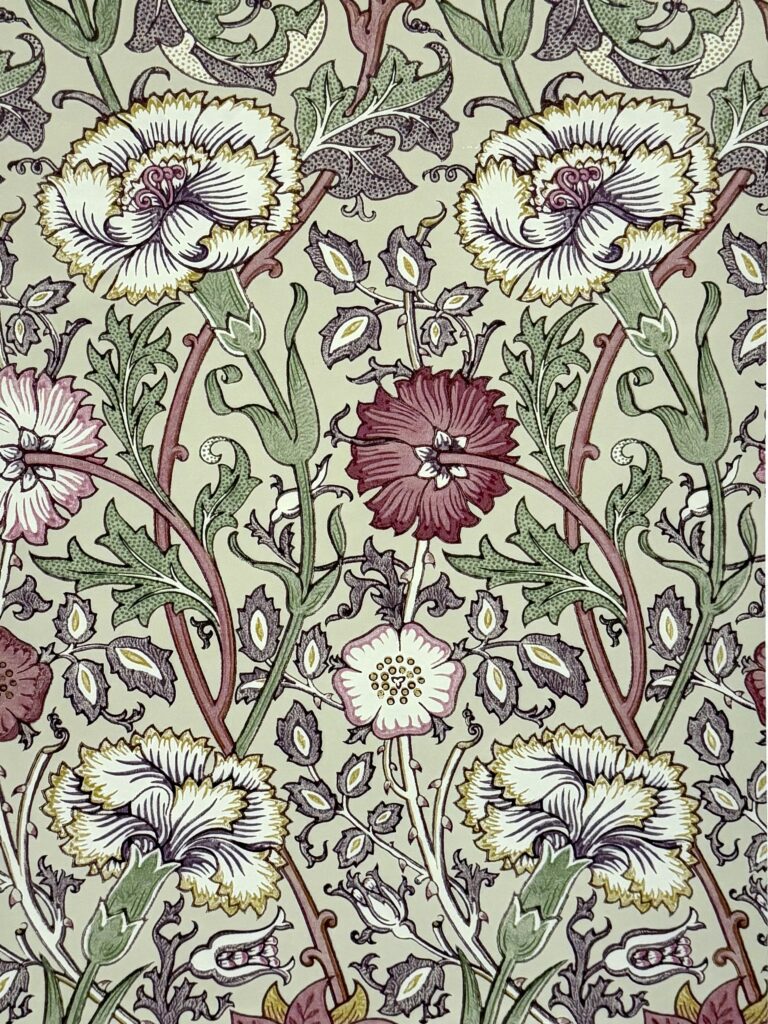
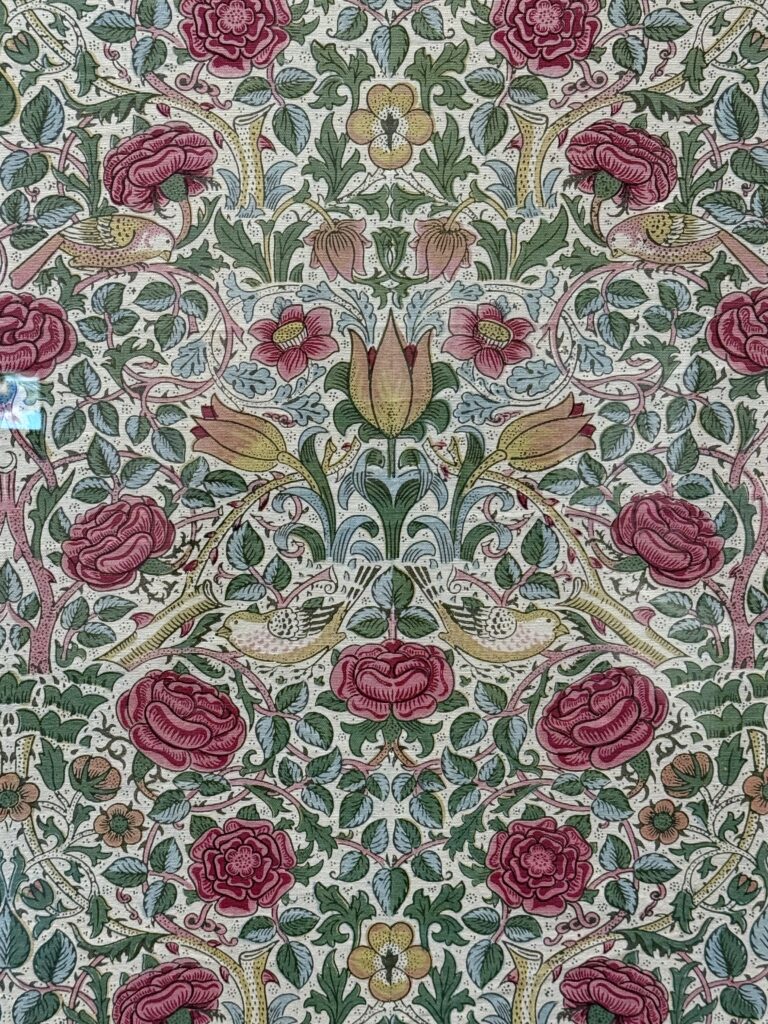
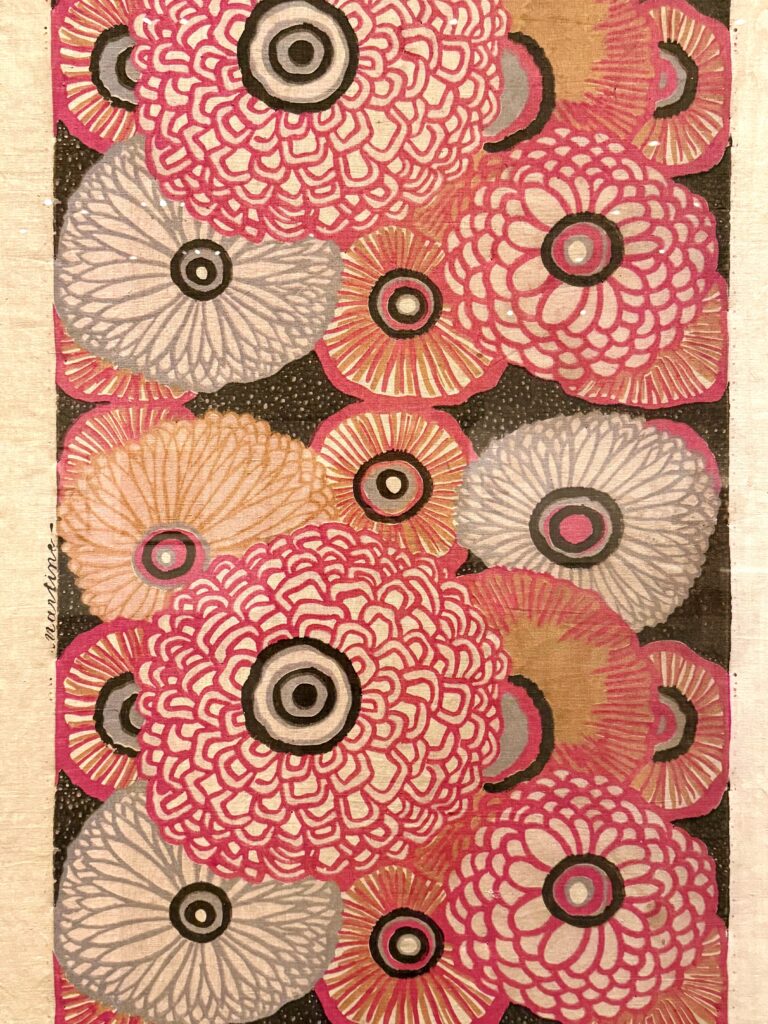

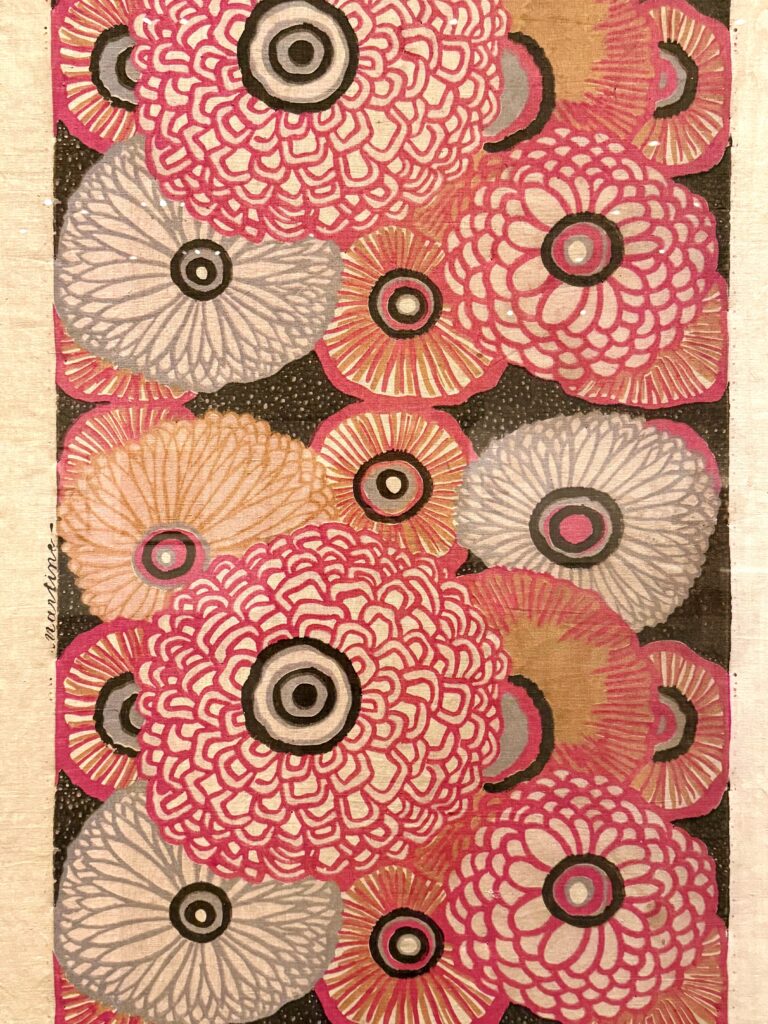
Block printing has long been a natural fit for repeating textiles and wallpaper because the technique itself is built on rhythm and replication. A carved block allows the same image to be stamped again and again with consistent structure but organic variation, those subtle shifts of pressure or ink that give hand printed patterns their soul.
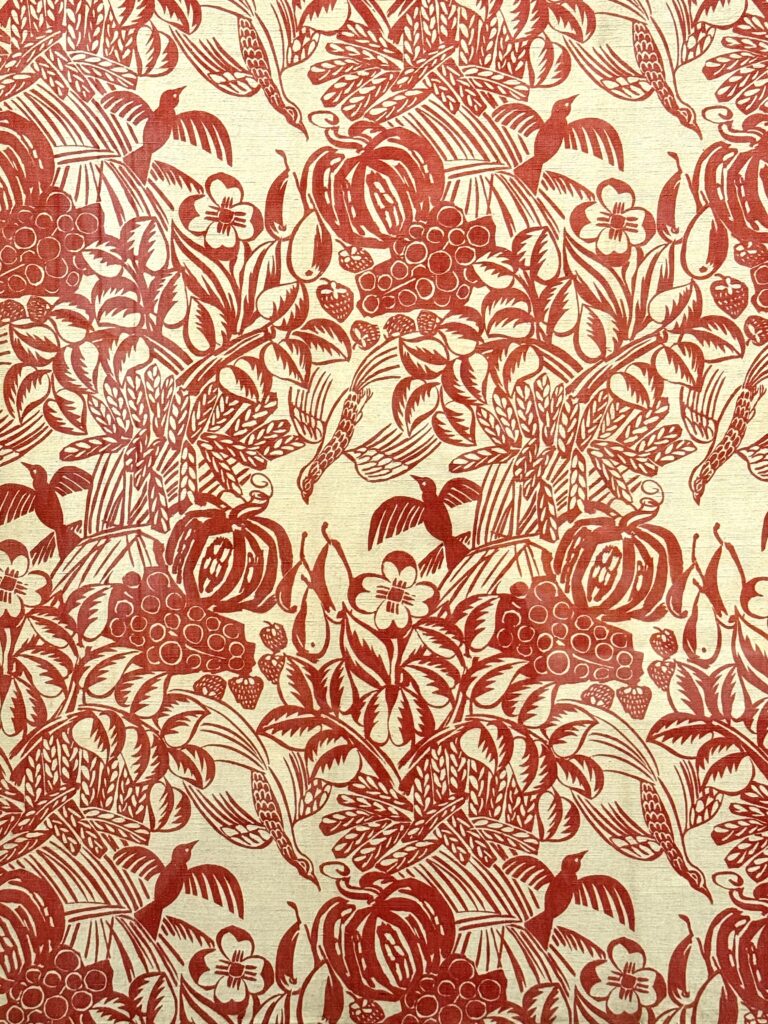
Long before digital tools, block printing offered makers a practical, tactile way to produce large expanses of patterned surface while still retaining the artistry and individuality of the human hand.
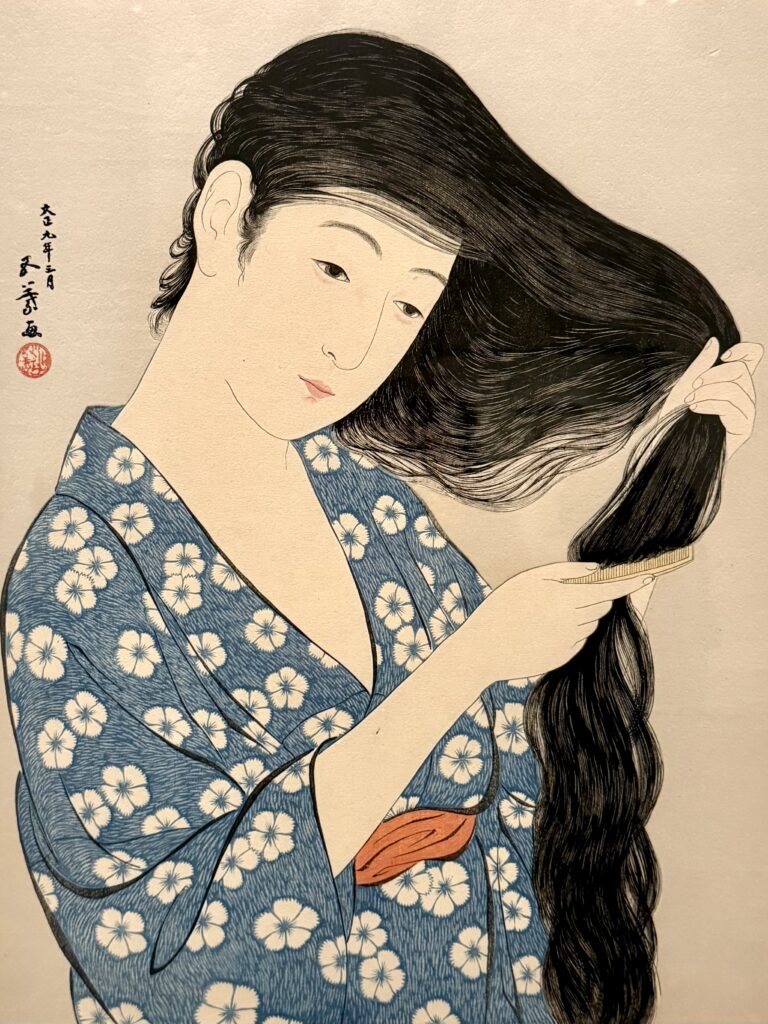
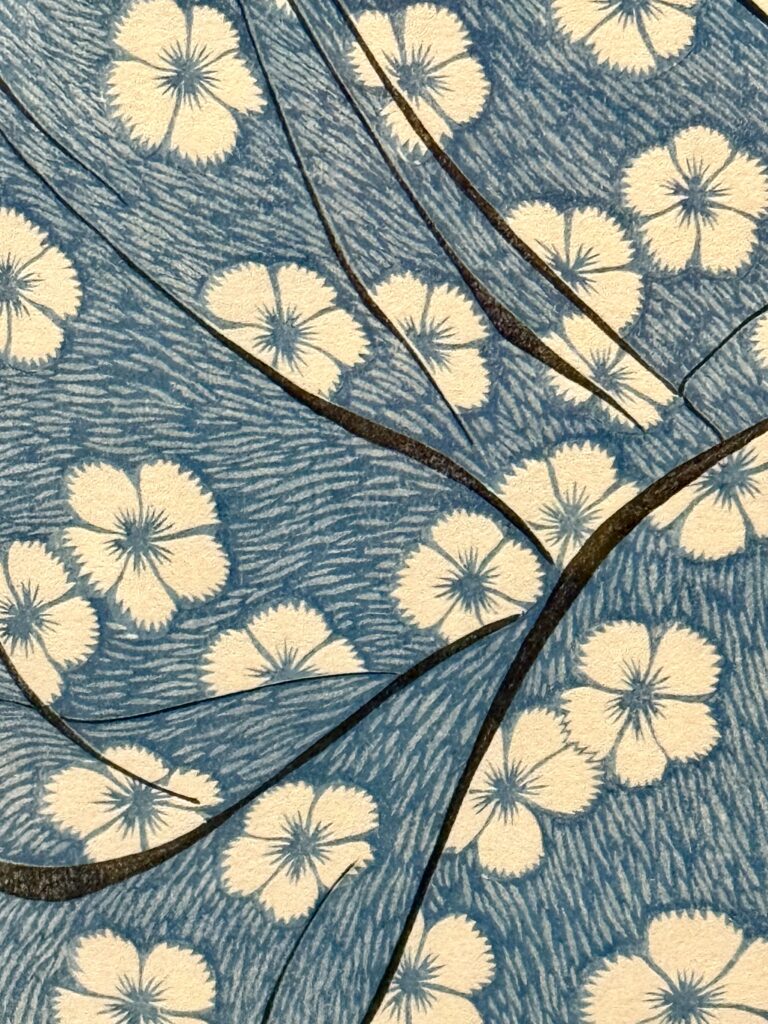
The extraordinarily diverse marks and patterns created by woodblock printing continue to inspire me. Such a simple technique but no two artists use the medium in the same way.


